If you live in North Texas, you already know the skies don’t play nice. One week it’s bright sunshine, the next it’s thunderstorms rolling through with buckets of rain, and sometimes it feels like the weather has a personal vendetta against your home. At Best Choice Roofing, we’ve seen firsthand how unpredictable weather in this region can push your roof to the limit, and one of the most overlooked players in that battle is your roof’s flashing.
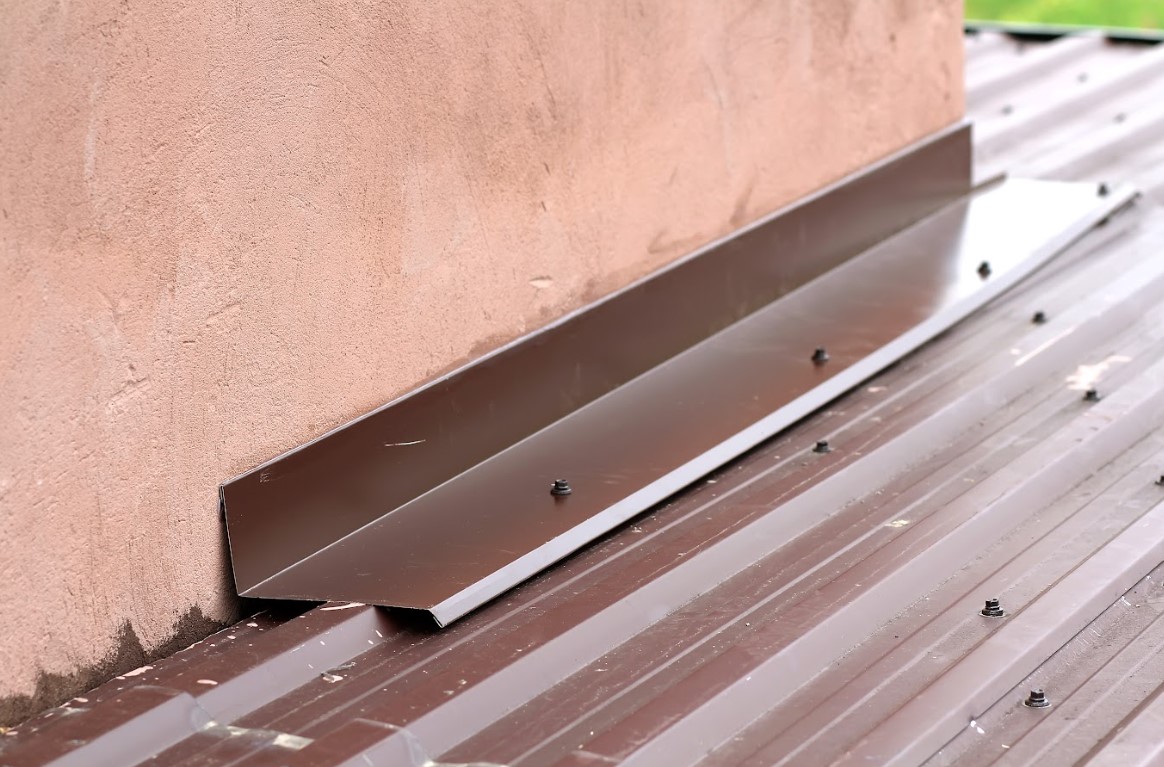
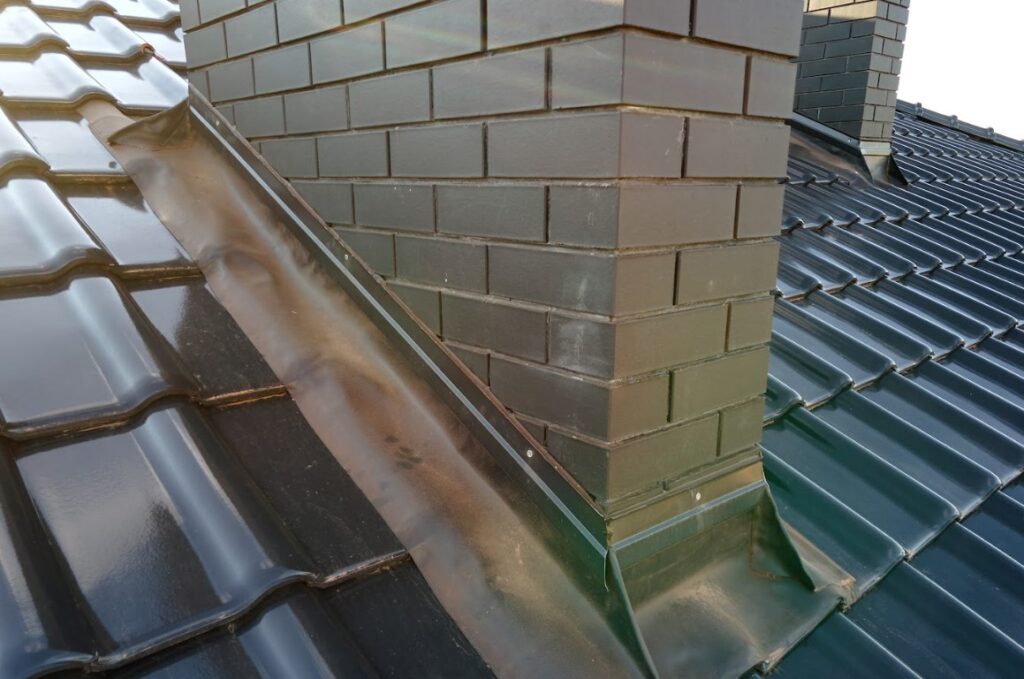
You might be asking, what is roof flashing? Good question. Flashing is the thin metal material, usually aluminum or galvanized steel, that seals the vulnerable joints and edges of your roof. Think of it like your roof’s armor plating, carefully placed around chimneys, skylights, vents, and valleys. Without properly installed flashing, rain would sneak right into your home’s most sensitive spots, leading to leaks, water damage, and even mold.
At Best Choice Roofing, we specialize in keeping those problem areas protected. From roof flashing repair to full roof replacements, our team knows what it takes to keep North Texas homes safe and dry. Let’s break down how those infamous rains around here test your flashing, and why ignoring it can cost you more in the long run.
Why Flashing Matters So Much
Before we talk about how rain tests it, let’s nail down what flashing is on a roof practically. Flashing’s job is simple: keep water out. Anywhere your roof has a change in angle or a seam, like where the roof meets your wall or around the base of your chimney, you’ve got a natural weak spot. Flashing acts as a watertight guard to direct rain away from those seams.
When it’s in good shape, you barely notice it. When it fails, though? You’ll notice water stains, drips, and damage pretty quickly. That’s why roof flashing repair is one of the most important maintenance tasks you can invest in.
How North Texas Rains Put Flashing to the Test
1. Heavy Downpours Overwhelm Weak Points
North Texas storms are no joke. When heavy rain falls fast, flashing has to work overtime to redirect all that water. If it’s loose, bent, or rusted, water can sneak underneath and pool where it shouldn’t. Over time, that creates leaks and weakens your roof structure.
2. Wind-Driven Rain Finds Every Gap
Rain around here doesn’t always fall straight down; it comes sideways, driven by high winds. That puts flashing to the ultimate test, because even tiny gaps or improperly sealed edges become entry points for water. This is especially common along roof valleys or where a roofline meets a vertical wall.
3. Standing Water Leads to Corrosion
If rainwater lingers in certain spots, say, near clogged gutters or low-slope areas, it can sit right up against the flashing. Even metal isn’t invincible; over time, constant moisture leads to corrosion and rust. Once the metal starts breaking down, your flashing can’t do its job, and roof flashing repair becomes a must.
4. Temperature Swings Stress the Seal
In North Texas, it can rain in the afternoon and hit 90 degrees the next day. Those dramatic temperature swings cause flashing to expand and contract. Over time, that constant movement can crack the sealants around it or cause the flashing to pull away from the roof. Once that happens, rainwater has a free invitation inside.
5. Hail and Debris Dents the Armor
We can’t talk about Texas storms without mentioning hail. Even small hailstones can dent or loosen flashing, especially around chimneys and vents. Once flashing is bent out of shape, water flows where it shouldn’t. Add in flying branches or storm debris, and it’s easy to see why flashing repair is so often needed after bad weather.
The Cost of Roof Flashing Repair
One of the first questions homeowners ask is: What does roof flashing repair cost? The cost will vary depending on the amount of damage and where the flashing is located. Small fixes around vents or skylights can be fairly affordable, while major repairs, like replacing flashing around a large chimney or in multiple roof valleys, will cost more.
The good news? Repairing flashing costs a lot less than repairing extensive water damage inside your home. Think of flashing maintenance as a small investment that protects your roof, your ceilings, and your peace of mind.
Trust Best Choice Roofing with Your North Texas Home
At Best Choice Roofing, we know what North Texas weather can do to your home. Our team has helped countless homeowners with weather damage repairs, including roof flashing repair, full replacements, and weather damage inspections. We don’t just patch problems, we make sure your roof is ready to stand up to whatever the skies throw next.
So the next time the forecast calls for heavy rain (and around here, that’s pretty much a given), make sure your flashing is up for the challenge. Call Best Choice Roofing today to schedule your inspection or learn more about how we can protect your home from the elements.