Fall in the Dallas–Fort Worth area brings more than cooler temperatures and clearer skies. As weather patterns shift, North Texas often experiences fast-moving cold fronts, strong gusts, and sudden wind surges that can put even well-built roofs to the test. While homeowners usually think of spring as the “windy season,” autumn winds can be just as intense, especially when they arrive after long months of heat that have already stressed roofing materials.
At Best Choice Roofing – Arlington Metroplex South, we install and service a wide range of roofing systems built for Texas weather. Our materials include asphalt shingles (three-tab, architectural, premium, and impact-resistant), slate, cedar, tile, and metal roofing systems such as steel and copper in corrugated, standing seam, exposed fastener, and metal shingle designs. Because different materials age and respond to wind differently, understanding how fall winds affect your roof can help you better estimate your roof’s lifespan and plan ahead for repairs or replacement.
While we offer several roofing materials, this guide focuses on asphalt shingles, tile, and metal because they are the most commonly installed roofing systems in North Texas and the ones most directly impacted by seasonal wind exposure when estimating roof lifespan.
How Fall Winds Affect the Average Lifespan of a Roof in Texas
Texas roofs endure a unique combination of heat, UV exposure, humidity, and year-round gusty weather. By the time fall arrives, many roofs have already expanded and contracted through an intense summer, making them more vulnerable to wind uplift, shingle shifting, and material wear.
Here’s how autumn winds influence the average lifespan of a roof depending on material type:
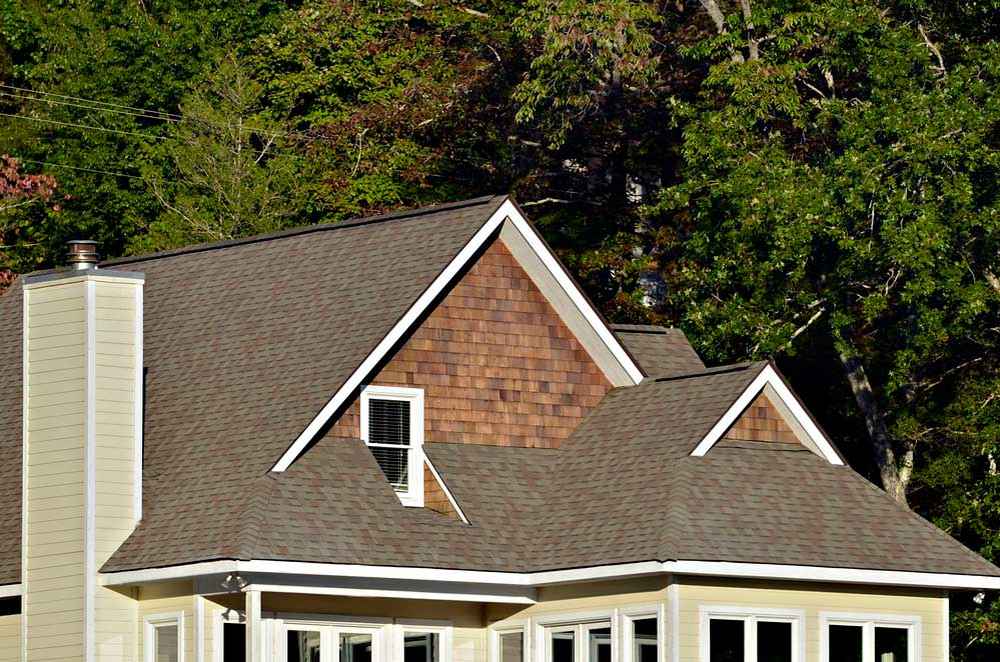
Asphalt Shingles: Understanding Shingle Roof Lifespan
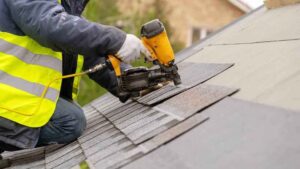
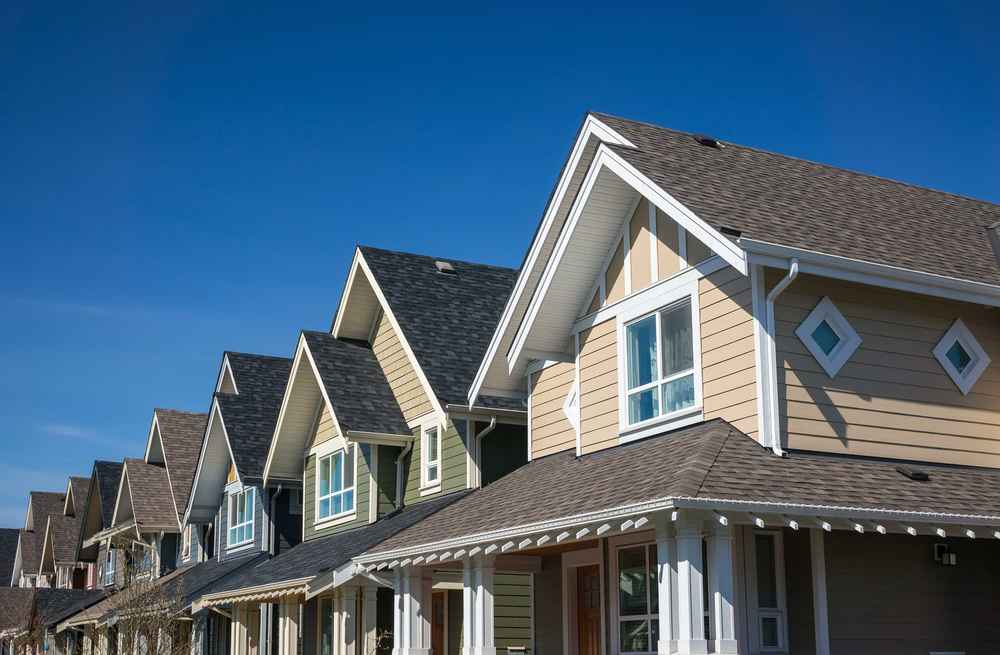
Asphalt shingles are the most common roofing material in Texas, but they are also among the most affected by seasonal wind patterns.
A typical shingle roof lifespan ranges from:
- Three-tab shingles: 15–20 years
- Architectural shingles: 20–30 years
- Premium or impact-resistant shingles: 30–40 years
How Fall Winds Shorten Shingle Lifespan
High fall winds in the DFW area can:
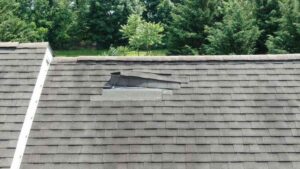
- Lift shingle edges
- Break the sealant bond
- Create gaps where moisture can enter
- Cause granule loss (affecting UV protection)
Even small sections of loosened shingles can accelerate aging, reduce wind resistance, and shorten the overall lifespan of your roof.
A roof that’s nearing the end of its expected lifespan will show signs such as curling shingles, missing tabs, or brittle material, all of which wind can make noticeably worse in the fall.
Tile Roof Lifespan and Wind Performance
Tile roofs, particularly clay or concrete, are known for durability. The typical tile roof lifespan ranges from 40 to 50+ years, far longer than standard shingles.
However, fall winds in Texas can affect tile roofing differently:
- Strong gusts can shift improperly fastened tiles
- Small cracks can widen under repeated wind pressure
- Debris, branches, or airborne objects can chip surface layers
- Underlayment can deteriorate over time, reducing wind resistance
Tile is heavy and stable, but once a tile loosens or cracks, the surrounding tiles can also weaken as wind continues pushing against the roof’s surface. Regular maintenance is important to keep a tile roof performing at its intended lifespan.
Metal Roof Lifespan: One of the Strongest Options for Wind Season
Metal roofs, especially standing seam or high-quality steel systems, are among the most wind-resistant roofing materials available. In Texas, a properly installed metal roof typically lasts:
- 40–70 years, depending on the system
- Even longer for copper
This makes the metal roof lifespan among the highest for North Texas homes.
How Fall Winds Affect Metal Roofs
Because metal panels lock together and create a continuous surface, they resist uplift better than many other materials. However:
- Loose fasteners or aging sealants can reduce wind resistance
- Exposed-fastener systems require periodic checks
- Flying debris can dent or scratch panels
Despite these factors, metal roofing consistently performs extremely well during fall weather shifts and is one of the best long-term investments for DFW homeowners concerned about wind.
How to Estimate Your Roof’s Remaining Lifespan After Fall Winds
When evaluating the remaining roof lifespan, consider:
1. The Roof’s Current Age
Compare the age of your system to the expected lifespan for your material. A 25-year-old shingle roof will respond very differently to fall winds than a 5-year-old one.
2. Visible Wind-Related Wear
After gusty fall weather, look for:
- Lifted shingles
- Missing or cracked tiles
- Exposed nails or fasteners
- Debris accumulation
- Damaged flashing
- Loose roof edges
Even small issues can affect long-term performance.
3. Past Weather Exposure
The more cycles of heat, wind, and moisture a roof has endured, the faster it ages, especially in the DFW area.
4. Professional Inspection
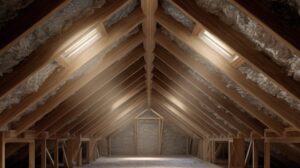
A drone inspection or full roof evaluation is the most accurate way to assess lifespan. We check the decking, material condition, seals, and wind-vulnerable areas.
Protect Your Roof Through Every Season
Understanding how fall winds affect the average lifespan of a roof empowers homeowners to plan maintenance, repairs, and eventual replacement without surprises. Whether you have asphalt shingles, tile, cedar, slate, or a durable metal roof, Best Choice Roofing – Arlington Metroplex South is here to help you extend the life of your system and protect your home.
We provide roof replacement, roof repair, roof installation, drone inspections, and weather damage repair services, including hail, wind, leaks, roof tarping, and emergency repairs.
Contact us today to schedule a roofing evaluation and get expert guidance on maximizing your roof’s lifespan; season after season.