Winter weather in Newark brings more challenges to your roof than many homeowners realize. Cold temperatures, moisture in the air, and frequent freeze-thaw cycles all place stress on roofing systems, especially when ventilation isn’t functioning properly. That’s why winter roof ventilation is such a critical but often overlooked part of roof performance in this area.
At Best Choice Roofing of Delaware, we believe an informed homeowner is a protected homeowner. Our goal is to help Newark residents understand how proper ventilation works, why it matters in winter, and how it can prevent long-term roof and structural issues before they turn into costly repairs.
What Is Roof Ventilation and Why Does It Matter in Winter?
Roof ventilation is the system of intake and exhaust vents that allows air to flow through your attic. In winter, this airflow helps regulate attic temperature and moisture levels. When ventilation is balanced and functioning properly, cold outside air enters through intake vents (usually at the eaves) and exits through exhaust vents near the roof peak.
Without proper roof ventilation in winter, warm air from inside your home rises into the attic and becomes trapped. This creates temperature inconsistencies that can lead to moisture buildup, roof deck damage, and shortened roof lifespan, issues that Newark homeowners frequently face during colder months.
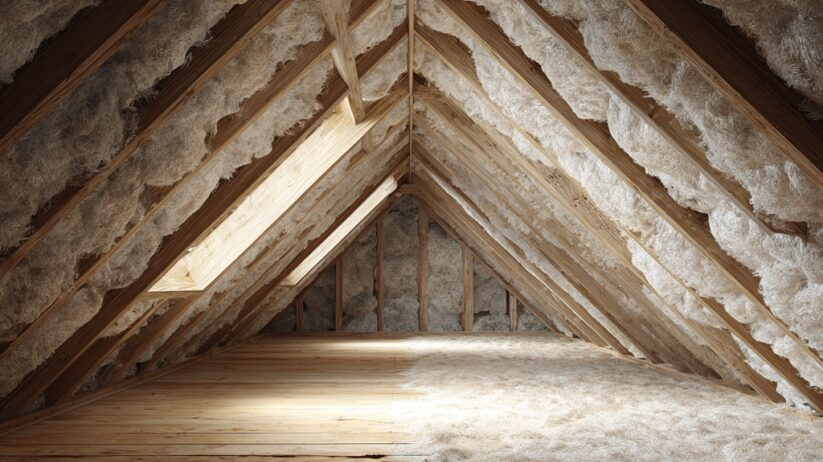
Attic Ventilation Newark Homeowners Can’t Ignore
Many homes in Newark, especially older properties, weren’t designed with modern ventilation standards in mind. Over time, insulation shifts, vents become blocked, or additions are made without addressing airflow. The result is an attic that holds heat and moisture when it shouldn’t.
Poor attic ventilation in Newark homes can cause:
- Condensation forming on attic framing and roof decking
- Damp insulation that loses effectiveness
- Mold-friendly conditions in enclosed attic spaces
- Premature shingle aging from heat buildup beneath the roof
These problems don’t always show immediate signs inside your living space, but they quietly weaken your roof system all winter long.
How Poor Winter Ventilation Impacts Your Roof
Uneven Roof Temperatures
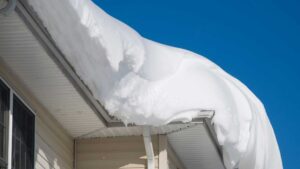
When warm air escapes into the attic, it heats sections of the roof from below. Snow melts in these warmer areas and refreezes at colder roof edges, increasing stress on shingles and flashing.
Moisture Damage
Warm air holds moisture. When that air hits cold surfaces in the attic, condensation forms. Over time, this moisture can warp wood decking, corrode fasteners, and compromise structural integrity.
Reduced Roof Lifespan
Shingles are designed to handle external weather, not prolonged heat and moisture from below. Poor winter roof ventilation accelerates wear, causing shingles to age faster and fail sooner.
Signs Your Newark Home May Have Ventilation Issues
Homeowners often assume winter roof problems start on the exterior, but ventilation issues usually begin inside the attic. Warning signs include:
- Frost or moisture visible in the attic during cold weather
- Higher heating bills with no clear explanation
- Ice buildup along the roof edges
- A roof that seems to “age” faster than expected
If you notice any of these issues, ventilation may be playing a larger role than you think.
Why Proper Ventilation Is a Preventive Solution
Good winter ventilation doesn’t just protect your roof; it helps stabilize your entire home. Proper airflow:
- Keeps attic temperatures closer to outdoor conditions
- Reduces moisture accumulation during cold months
- Helps insulation perform as intended
- Supports consistent roof performance year-round
This preventative approach is especially important in Newark, where winter temperatures often fluctuate above and below freezing.

Professional Installation Makes the Difference
Ventilation isn’t just about having vents; it’s about having the right vents, properly placed and correctly balanced. Improper ventilation layouts can be just as harmful as no ventilation at all.
At Best Choice Roofing of Delaware, we evaluate how ventilation, insulation, and roof construction work together as a system. Attention to detail, especially around roof penetrations and airflow paths, is key to long-term performance in winter conditions.
When Ventilation Issues Lead to Weather Damage
If ventilation problems are left unresolved, winter conditions can expose weak points in your roof. Moisture intrusion, leaks, and material breakdown often follow. That’s when professional weather damage repairs become necessary.
Our team provides emergency roof repairs, leak repairs, roof tarping, and long-term solutions designed to stabilize your roof and prevent further damage during harsh weather.
Protect Your Newark Roof This Winter
Understanding why winter roof ventilation performance matters is one of the best steps Newark homeowners can take to protect their roofs. Balanced airflow helps prevent moisture damage, supports insulation, and extends the life of your roofing system, even during the toughest months of the year.
If you’re concerned about winter roof ventilation or suspect attic ventilation issues in your Newark home, Best Choice Roofing of Delaware is here to help. Reach out today to learn more about our preventative solutions and dependable weather damage repairs, because protecting your roof starts from the inside out.